
Introduction
Staying active as we age is vital, yet persistent myths often discourage older adults from moving. This blog uncovers the realities behind exercise for seniors, illustrating how movement, strength, and in-home fitness can lead to better health, confidence, and independence. Whether you are wary of injury or new to fitness, discover how IMSeniorFit supports you to start strong, stay safe, and thrive at any age.
Age Is a Barrier Only in the Mind
Picture yourself strolling Lake Sumter Landing at sunset, watching neighbors power-walk by, and wondering if you are too old to start. This is a common misconception. Research consistently shows that you are never too old to begin exercise for seniors. The CDC recommends adults 65 and older accumulate 150 minutes of moderate activity weekly, plus strength and balance work. Bodies adapt to movement at any age, and a 2023 meta-analysis found that this level of older adult exercise reduces the risk of death by 31 percent.
Many hesitate to start due to fear of injury, lack of gym experience, or the belief that progress is impossible past 70. IMSeniorFit addresses these concerns by sending certified trainers to your home, assessing mobility, and designing customized fitness programs that meet you where you are. Techniques include light bands for shoulder mobility, chair-supported balance exercises for seniors, and breathing drills to calm nerves.
Begin with five-minute walks to the mailbox and gradually increase your activity. Keeping a journal to note how you feel after moving can build confidence. Invite a friend, as social accountability raises success rates.
For extra motivation, explore the free resources page on IMSeniorFit’s website for quick explainer videos on aging and exercise. The takeaway is clear: you are never too old to exercise, and consistent, small steps can change your mindset and habits.
Strength Training Is Not Just for the Young
A widespread senior fitness myth is that weights are dangerous for older joints. In reality, senior strength training is one of the best tools for fall prevention. Resistance workouts can restore up to 20 percent of lost muscle and significantly improve coordination, lowering fall risk by nearly 30 percent.
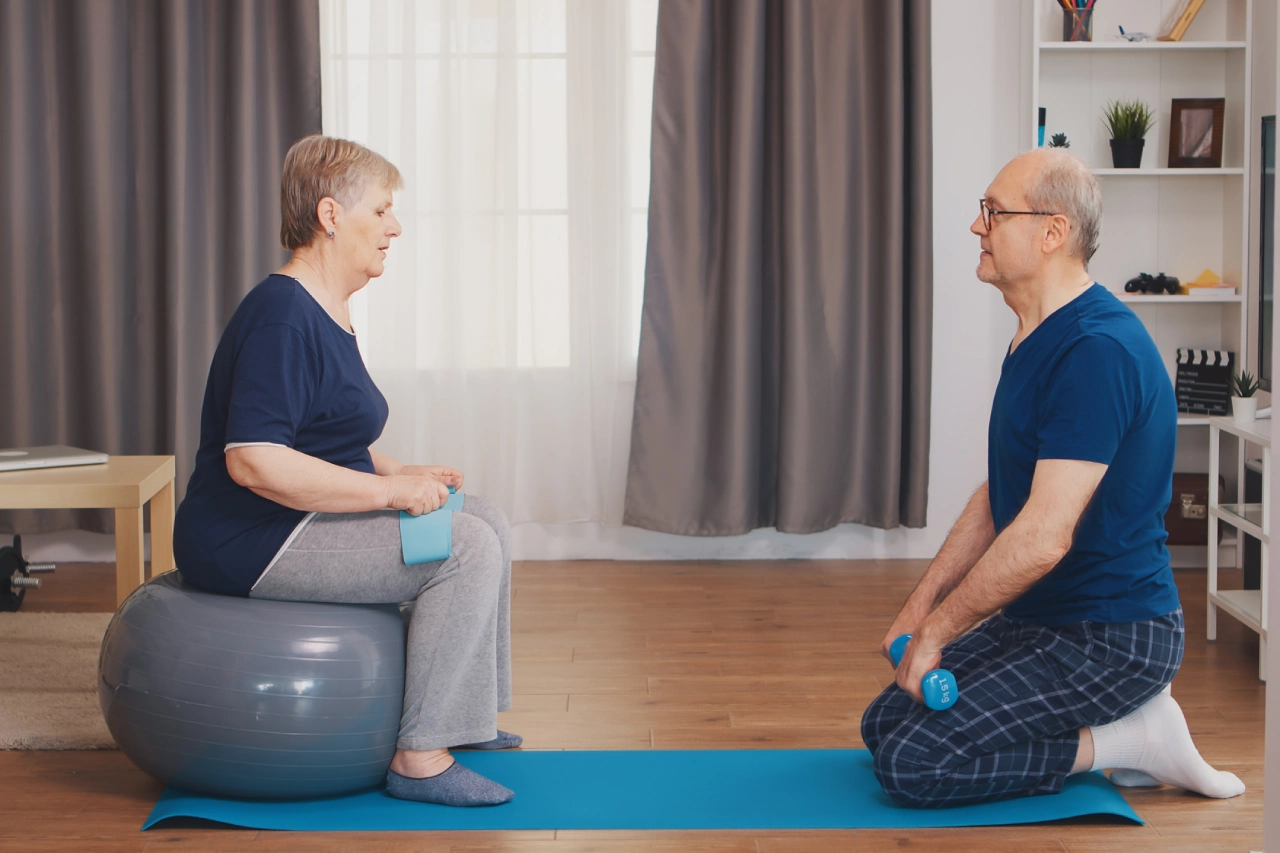
In-home senior fitness with IMSeniorFit uses collapsible dumbbells, soft sand bells, and loop bands. Sessions focus on slow squats to a sturdy chair for thigh power and ease of standing, door-anchor row pulls to improve posture and reduce back pain, and core bracing drills to protect the spine when lifting groceries.
Each session follows a progression: assess, activate, strengthen, and stretch. Trainers with senior fitness specialist credentials monitor your heart rate, range of motion, and exertion to ensure safety and challenge. If arthritis flares, routines adapt with isometric holds or aquatic tubing. Strength is always scalable.
To try resistance today, fill two reusable shopping bags with canned goods and perform five suitcase carries across your living room. Functional senior strength training can start without specialized equipment. According to the NIH, such activity enhances senior health and wellness, improving glucose control and cognitive sharpness.
Gentle Movement Profound Impact The Power of Low-Impact Exercise
The myth that only sweat-drenched workouts count is misleading. Low-impact exercises for older adults—like walking, water aerobics, and tai chi—offer significant cardiovascular and flexibility benefits with minimal joint stress. Functional fitness and mind-body practices are top trends for 2025 because they mirror everyday movements such as reaching, twisting, and getting up from the floor.
IMSeniorFit sessions may pair ankle-weight marches with standing yoga or seated pedal cycles, especially useful for those returning from post-physical therapy exercise. A sample 15-minute circuit includes:
Seated knee lifts for hip mobility training for the elderly
Wall push-ups for upper-body strength
Heel-toe balance line for fall prevention exercises
Gentle chair twists for spinal rotation
Rest and repeat twice for a cardiovascular boost.
Link exercise to a daily habit, such as calf raises while waiting for coffee. Use wearable trackers for real-time motivation, and celebrate non-scale victories, like being able to play with grandchildren longer.
For more active aging tips, check the blog archive for cue cards and reminders to move during TV breaks. Even small motions yield significant benefits.
Pain and Progress: Navigating Joint Discomfort Without Stopping
Many seniors live with knee, hip, or shoulder aches and believe rest is the only solution. In truth, well-managed joint pain exercise programs can reduce stiffness by increasing circulation and strengthening supporting muscles. The key is to distinguish between mild, productive discomfort and sharp pain.
IMSeniorFit trainers follow a three-step approach. First, they assess pain triggers and range of motion. Next, they select moves like mini-step-ups or elastic hip abductions that minimize joint strain. Finally, they gradually increase resistance while monitoring pain on a 0-10 scale, staying at or below 3.
Warm up joints with five minutes of heat or marching before each session. Communicate openly—if a movement causes discomfort, adjustments are made. Combine strength and mobility, as stretching alone rarely stabilizes joints.
For those recovering from knee replacements, IMSeniorFit aligns with surgeon protocols and guides you from clinical rehab to independence at home. Check the post-therapy support page for timelines and approved exercise progressions. Reliable sources, like the NIH meta-analysis on resistance exercise, confirm that proper movement is therapeutic.
Independence Through Movement: The True Gift of Senior Fitness
Exercise is not about achieving a six-pack; it is about preserving independence. The real reward for retirees is maintaining the ability to drive, garden, or dance. Customized fitness programs and personal training for seniors in The Villages build a “Mobility Bank”—each movement deposit makes everyday tasks easier.
Why Clients Choose Us:
Exclusive focus on older adults: Sessions designed around balance, reaction time, and eyesight
In-home convenience: No travel, no crowded gyms, greater consistency
Certified senior-fitness specialists: Evidence-based methods validated by CDC and NIH
Personalization for fall risk or post-therapy: Faster, safer return to hobbies
Schedule workouts after breakfast when energy is high and distractions are minimal. Keep resistance bands visible as reminders to move. Make Friday morning walks social by inviting neighbors for a loop and coffee.
Movement benefits extend to mental wellness. Regular older adult exercise reduces anxiety and loneliness through shared goals, echoing research on the value of social connections. Whether your goal is climbing stairs or lifting a grandchild, movement is the key. IMSeniorFit’s mission is to protect your independence with supportive, compassionate coaching.
Embrace Your Strongest Years Yet
The top senior fitness myths have been debunked. Age is not a barrier, strength training is safe, gentle movement matters, pain can be managed, and true rewards are independence and wellness. Exercise for seniors improves balance, mobility, confidence, and reduces disease risk. Break through old beliefs and discover the benefits of movement at home.
Start today by visiting Our Services.
References
Physical Activity Guidelines for Older Adults
Study Reveals Importance of Physical Activity for Healthy Aging
Effects of Resistance Exercise on Older Adults Meta-Analysis
2025 Fitness Trends for Older Adults
Small Increases in Physical Activity Produce Meaningful Benefits